
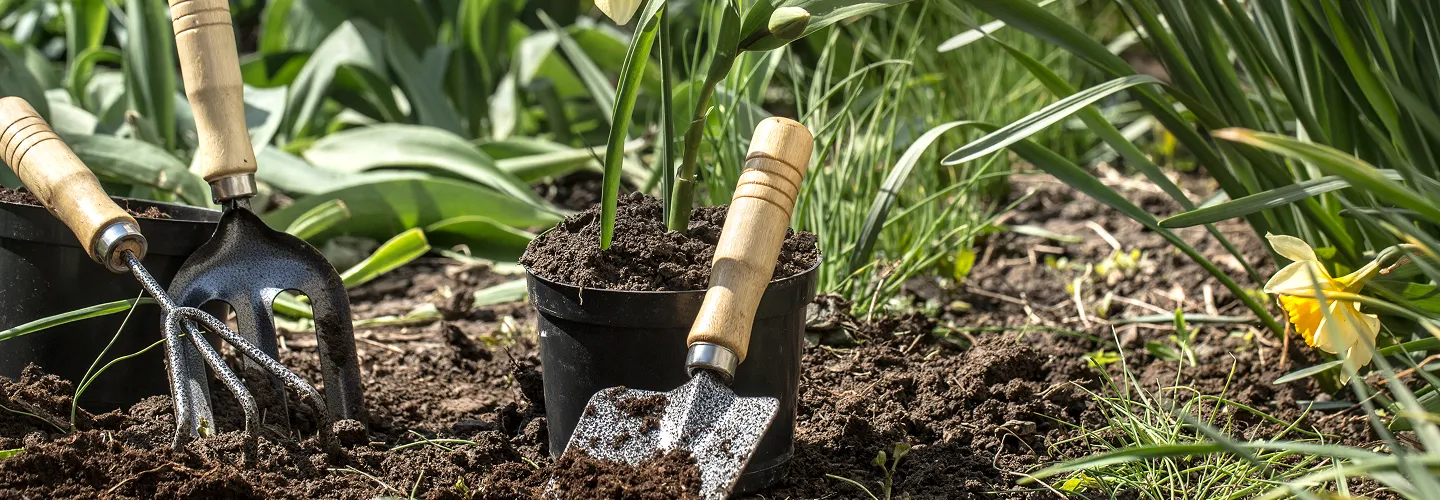
Atascocita Weeding Services
Choose our expert weeding services for a healthier, more beautiful landscape—our team ensures thorough weed removal, protecting your plants and saving you time so you can enjoy a flawless yard all season long.
Get a Free QuoteOur Atascocita Landscaping & Yard Care Services
When to Schedule Weeding in Atascocita, Texas – Seasonal Guide
In Atascocita, Texas, the best times to schedule weeding are typically in early spring and late fall, when temperatures are moderate and weed growth is most active. The region’s humid subtropical climate, with its warm, wet springs and hot summers, means weeds can thrive if not managed proactively. Neighborhoods near Lake Houston and the Atascocita Pines area often experience rapid weed growth due to higher soil moisture and shade from mature trees.
Local environmental factors such as the last frost date (usually late February), periods of drought risk in midsummer, and the clay-heavy soils common in Atascocita all play a role in determining the optimal weeding schedule. Homeowners in areas like Eagle Springs or Walden on Lake Houston should also consider municipal guidelines and HOA restrictions, which can affect when and how landscaping services are performed. For more information on local regulations, visit the Sudbury municipal site.
Local Factors to Consider for Weeding in Atascocita
- Tree density and shade coverage, especially in established neighborhoods
- Soil type (clay-heavy soils retain moisture, encouraging weed growth)
- Seasonal precipitation patterns and drought risk
- Proximity to water features like Lake Houston
- Municipal or HOA landscaping restrictions
- Terrain and drainage, which affect weed seed dispersal
Benefits of Weeding in Atascocita

Enhanced Curb Appeal
Healthier Plant Growth
Reduced Pest Infestation
Improved Soil Quality
Professional and Reliable Service
Time and Effort Savings

Atascocita Weeding Types

Hand Weeding
-
Mulch Application
-
Pre-Emergent Weed Control
-
Post-Emergent Herbicide Treatment
-
Landscape Fabric Installation
-
Mechanical Weeding
-
Selective Spot Spraying
Our Weeding Process
Site Evaluation
Weed Identification
Targeted Removal
Soil Treatment
Final Inspection
Why Choose Atascocita Landscape Services
Atascocita Homeowners Trust Us
-
Comprehensive Lawn Maintenance
-
Reliable Scheduling
-
Competitive Pricing
-
Experienced Professional Team
-
Satisfaction Guarantee
-
Personalized Service Plans
-
Locally Owned and Operated
Soil Series and Drainage Considerations for Weeding in Atascocita’s Landscapes
Atascocita’s predominant soils, including the Lake Charles clay and Beaumont clay series, present unique challenges for effective weeding. These soils are characterized by high clay content, poor drainage, and a tendency toward compaction, especially in developed neighborhoods. Soil pH typically ranges from 6.0 to 7.5, which can influence weed species prevalence and herbicide efficacy. For optimal weed removal, mechanical extraction is recommended after rainfall or irrigation, when soils are moist but not saturated. Incorporating 2-3 inches of compost tilled to a 6-inch depth can improve soil structure and reduce compaction. Soil testing is available through Texas A&M AgriLife Extension for a typical fee of $15-25. Researching local soil series using the USDA Web Soil Survey is advised to tailor weeding strategies to specific site conditions.
Municipal Collection and Disposal Protocols for Weeding Debris in Atascocita
Proper disposal of weeding debris in Atascocita is governed by municipal protocols to ensure environmental compliance and efficient waste management. Yard waste collection is typically scheduled for Thursdays from April through November. Residents must use biodegradable paper bags or reusable bins (32-gallon maximum) for leaves, weeds, and brush under 4 feet in length. The use of plastic bags and disposal of branches over 4 inches in diameter are prohibited. Debris should be placed curbside by 7:00 AM on collection day. Coordination with the Department of Public Works is essential for large volumes or special pickups.
Humble Public Works Department
102 Granberry St, Humble, TX 77338
Phone: (281) 446-2327
Official Website: Humble Public Works Department
These protocols help prevent stormwater contamination and maintain compliance with the Clean Water Act.
Environmental Compliance: Buffer Zones and Stormwater Protection in Atascocita Weeding Operations
Weeding activities in Atascocita must adhere to environmental regulations designed to protect local water bodies such as Lake Houston and adjacent wetlands. The Texas Commission on Environmental Quality (TCEQ) enforces MS4 stormwater permit requirements, which prohibit the disposal of plant debris or soil in storm drains. A 25-foot no-disturbance buffer is required from the edge of wetlands and streams, and no herbicide application is permitted within 50 feet of water bodies. Residents and contractors must avoid washing soil or debris into stormwater inlets. Compliance steps include:
- Maintain 25-foot buffer from wetlands
- Prohibit debris in storm drains
- Use only EPA-registered herbicides
- Schedule work during dry weather to minimize runoff
Texas Commission on Environmental Quality
12100 Park 35 Circle, Austin, TX 78753
Phone: (512) 239-1000
Official Website: Texas Commission on Environmental Quality
Seasonal Timing and Weather Considerations for Weeding in Atascocita’s Climate Zone
Atascocita is located in USDA Hardiness Zone 9a, with a long growing season and average last frost date in early March. Optimal weeding windows are from March 15 to May 31 and again from September 15 to November 15, when soil temperatures range from 60°F to 75°F and weed growth is most active. Avoid weeding during peak summer (June-August) due to heat stress and rapid regrowth. Monitor local weather forecasts through the National Weather Service Houston/Galveston Office to schedule work after rainfall, which softens clay soils and facilitates root removal. For persistent perennial weeds, repeat removal every 4-6 weeks during the active season. Mulching beds with 2-3 inches of organic material after weeding suppresses regrowth and conserves soil moisture.
Safety Standards and Equipment Protocols for Weeding in Atascocita Residential Areas
Weeding operations in Atascocita must comply with municipal safety and noise ordinances. Equipment operation is permitted:
- Monday-Friday: 7:00 AM - 7:00 PM
- Saturday: 8:00 AM - 6:00 PM
- Sunday and holidays: Prohibited
All personnel must wear ANSI Z87.1 safety glasses, gloves rated for cut resistance, and steel-toed boots. When using powered weed trimmers, hearing protection is required for noise levels above 85 dB. Maintain a 15-foot clearance from overhead utilities and public sidewalks. Equipment must be maintained in good working order, with blades sharpened every 20-25 hours of use. For properties within HOA-managed areas, verify additional restrictions with the Atascocita Community Improvement Association.
Atascocita Community Improvement Association
PO Box 680234, Houston, TX 77268
Phone: (281) 852-2432
Official Website: Atascocita Community Improvement Association
What Neighborhoods Do We Serve Throughout Atascocita, TX?
- Atascocita Shores: Features mature landscaping and proximity to Lake Houston, requiring careful debris management to protect water quality and address heavy clay soils.
- Eagle Springs: Newer development with compacted soils and HOA landscaping standards; frequent weeding needed due to dense planting beds and irrigation systems.
- Pinehurst of Atascocita: Large lots with established trees and variable drainage; weed control must account for shade and root competition.
- Walden on Lake Houston: Waterfront properties with strict buffer requirements and periodic flooding; emphasis on stormwater compliance and erosion control during weeding.
- Atascocita South: Mixed housing types and moderate tree cover; access for equipment may be limited by narrow streets and on-street parking.
- The Groves: Conservation-focused community with native plantings and wildlife corridors; weeding must avoid disturbance to protected areas and comply with community guidelines.
- Atascocita Trails: Older neighborhood with heavy clay soils and established turf; persistent weed species require repeated manual removal and soil amendment for long-term control.