
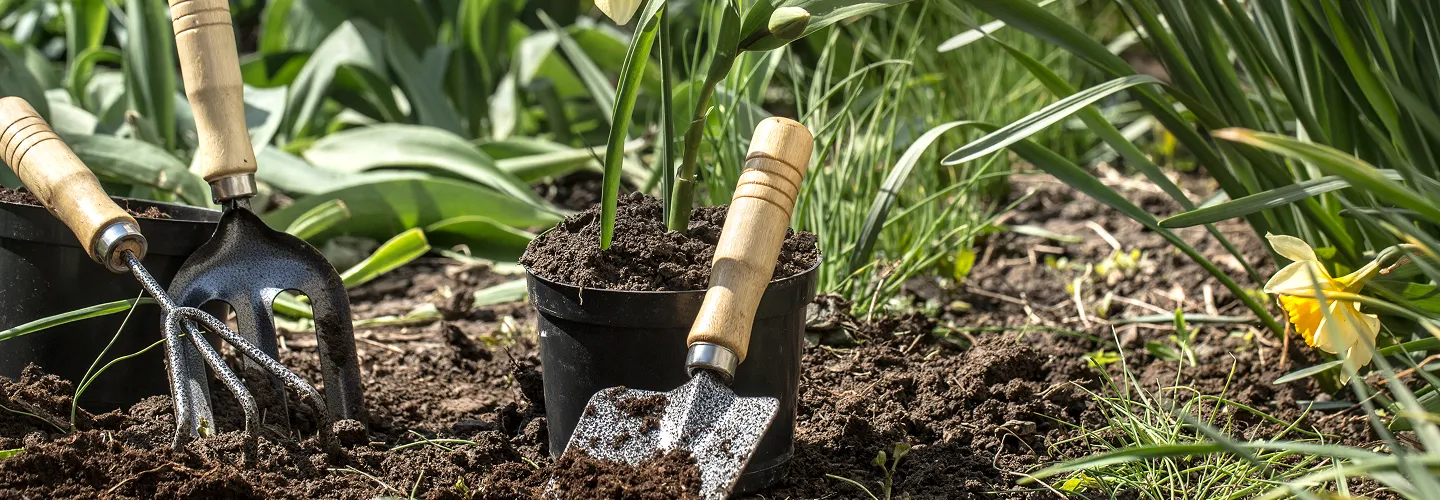
Atascocita Flower Bed Maintenance Services
Choose our Flower Bed Maintenance for expert care, vibrant blooms, and a weed-free landscape—so you can enjoy a beautiful yard without the hassle.
Get a Free QuoteOur Atascocita Landscaping & Yard Care Services
When to Schedule Flower Bed Maintenance in Atascocita, Texas – Seasonal Guide
In Atascocita, Texas, timing your flower bed maintenance is crucial for vibrant, healthy landscapes. The region’s subtropical climate means that spring and fall are generally the best seasons for major maintenance tasks, such as mulching, pruning, and planting. Early spring, just after the last frost date—typically in late February or early March—offers ideal conditions for refreshing beds and introducing new plants. Fall, especially from late September through November, is perfect for preparing beds for winter and ensuring perennials are well-established before cooler temperatures arrive.
Local factors like Atascocita’s proximity to Lake Houston, the prevalence of clay-heavy soils in neighborhoods such as Eagle Springs and Walden on Lake Houston, and the area’s high humidity all play a role in determining the best maintenance schedule. Homeowners should also consider the risk of summer droughts and the impact of dense shade from mature oaks and pines, which are common in The Groves and Atascocita Shores. For more information on local environmental guidelines, visit the Sudbury municipal site.
Local Factors to Consider for Flower Bed Maintenance in Atascocita
- Tree density and shade coverage from mature landscaping
- Soil type (clay, sand, or loam) and drainage characteristics
- Seasonal precipitation patterns and drought risk
- Proximity to Lake Houston and flood-prone areas
- Municipal restrictions or watering schedules
- Terrain variations, such as sloped yards or low-lying spots
Benefits of Flower Bed Maintenance in Atascocita
Enhanced Curb Appeal
Weed and Pest Prevention
Healthier Plant Growth
Seasonal Color Variety
Professional Landscaping Expertise
Increased Property Value
Atascocita Flower Bed Maintenance Types

Seasonal Flower Planting
-
Weed Control Services
-
Mulch Installation
-
Soil Amendment
-
Pruning and Trimming
-
Fertilization Programs
-
Irrigation System Checks
Our Flower Bed Maintenance Process
Site Evaluation
Weed Removal
Soil Preparation
Plant Care
Mulching
Why Choose Atascocita Landscape Services
Atascocita Homeowners Trust Us
-
Comprehensive Lawn Maintenance
-
Reliable Scheduling
-
Competitive Pricing
-
Experienced Professional Team
-
Satisfaction Guarantee
-
Personalized Service Plans
-
Locally Owned and Operated
Soil Series and Drainage Considerations for Flower Beds in Atascocita
Atascocita’s predominant soils, including the Lake Charles clay and Beaumont clay series, present unique challenges for flower bed maintenance due to their high clay content, slow drainage, and tendency toward compaction. These soils typically exhibit a pH range of 6.5 to 7.5 and can retain water after heavy rainfall, increasing the risk of root rot for sensitive species. To improve drainage and soil structure, it is recommended to incorporate 2-3 inches of compost tilled to a 6-inch depth and consider raised beds in poorly drained areas. Soil testing is available through the Texas A&M AgriLife Extension for a typical fee of $15-25, providing guidance on lime or sulfur amendments. For detailed soil mapping, consult the USDA Web Soil Survey. Regular aeration and organic matter addition are essential for long-term soil health in Atascocita’s flower beds.
Municipal Debris Collection and Disposal Protocols for Atascocita Flower Bed Projects
Proper disposal of flower bed debris in Atascocita is governed by municipal collection schedules and container requirements. Yard waste, including plant trimmings and soil-free debris, is collected weekly on Thursdays from April through November. Residents must use biodegradable paper bags or reusable bins (32-gallon maximum); plastic bags and branches over 4 inches in diameter are prohibited. For large-scale projects, debris must be transported to the designated municipal drop-off site. Compliance with these protocols prevents stormwater violations under the Clean Water Act and supports Atascocita’s MS4 permit obligations. For further details on collection schedules and accepted materials:
Humble Public Works Department
102 Granberry St, Humble, TX 77338
Phone: (281) 446-2327
Official Website: Humble Public Works Department
Plant Selection and Buffer Zone Compliance Near Atascocita’s Water Bodies
Flower bed installations near Atascocita’s creeks, wetlands, and Lake Houston must adhere to buffer zone regulations to protect sensitive habitats. A minimum 25-foot no-disturbance buffer is required from the edge of wetlands and perennial streams, and no fertilizer or pesticide application is permitted within 50 feet of water bodies. Recommended species for these areas include native options such as black-eyed Susan (Rudbeckia hirta), cardinal flower (Lobelia cardinalis), and wild bergamot (Monarda fistulosa), which tolerate periodic flooding and support pollinators. For deer-prone sites, consider lavender (Lavandula spp.) and Russian sage (Perovskia atriplicifolia). Buffer compliance is enforced under the Texas Water Code and monitored by the Texas Commission on Environmental Quality. For guidance on buffer establishment and native plant selection:
Texas Commission on Environmental Quality
12100 Park 35 Circle, Austin, TX 78753
Phone: (512) 239-1000
Official Website: Texas Commission on Environmental Quality
Seasonal Timing and Weather Considerations for Flower Bed Maintenance in Atascocita
Atascocita’s USDA Hardiness Zone 9a climate, with average annual minimum temperatures of 20-25°F, dictates optimal timing for flower bed maintenance. Spring planting is recommended from March 15 to April 30, when soil temperatures reach 60°F, while fall maintenance, including mulching and perennial division, should occur from October 1 to November 15. Avoid major soil disturbance during June-August due to heat stress and potential drought. Monitor local weather forecasts through the National Weather Service Houston/Galveston Office to schedule maintenance around heavy rainfall events, which can saturate clay soils and delay work. Key timing guidelines include:
- Spring planting: March 15 – April 30 (soil temp ≥ 60°F)
- Fall mulching/division: October 1 – November 15
- Avoid: June-August (heat/drought risk)
- Monitor: NWS advisories for rainfall and severe weather
Equipment Operation Hours and Safety Standards for Atascocita Flower Bed Work
Operation of powered equipment for flower bed maintenance in Atascocita is regulated by municipal noise ordinances. Permitted hours are:
- Monday-Friday: 7:00 AM – 7:00 PM
- Saturday: 8:00 AM – 6:00 PM
- Sunday and holidays: Prohibited All operators must use commercial-grade equipment with functioning mufflers, and noise levels must not exceed 85 decibels at property lines. Personal protective equipment (PPE) is required, including ANSI Z87.1 safety glasses, hearing protection for noise above 85 dB, steel-toed boots, and cut-resistant gloves for pruning. Maintain a 15-foot clearance from overhead utilities and a 25-foot buffer from wetlands. For questions on safety protocols and compliance:
Atascocita Community Improvement Association
PO Box 680005, Houston, TX 77268
Phone: (281) 852-2432
Official Website: Atascocita Community Improvement Association
What Neighborhoods Do We Serve Throughout Atascocita, TX?
- Atascocita Shores: Features mature landscaping and proximity to Lake Houston, requiring careful buffer compliance and management of heavy clay soils with moderate drainage.
- Eagle Springs: Newer development with compacted fill soils and smaller lot sizes, necessitating raised beds and frequent soil amendment for optimal plant health.
- Pinehurst of Atascocita: Characterized by established tree canopy and periodic flooding, making native, flood-tolerant species and mulching essential for sustainable flower beds.
- Walden on Lake Houston: Located near the lake with high water table and HOA landscaping standards, requiring strict adherence to fertilizer and pesticide buffer zones.
- Atascocita South: Suburban area with moderate tree cover and variable drainage, where regular compost incorporation and soil testing are recommended.
- The Groves: Features conservation areas and protected wetlands, demanding compliance with 25-foot no-disturbance buffers and use of native plantings to support local biodiversity.
- Atascocita Trails: Older neighborhood with mixed soil types and larger lots, presenting opportunities for diverse plant selection and expanded perennial beds.